
California Fires: Why Your Condo Policy Needs to Be Rock Solid
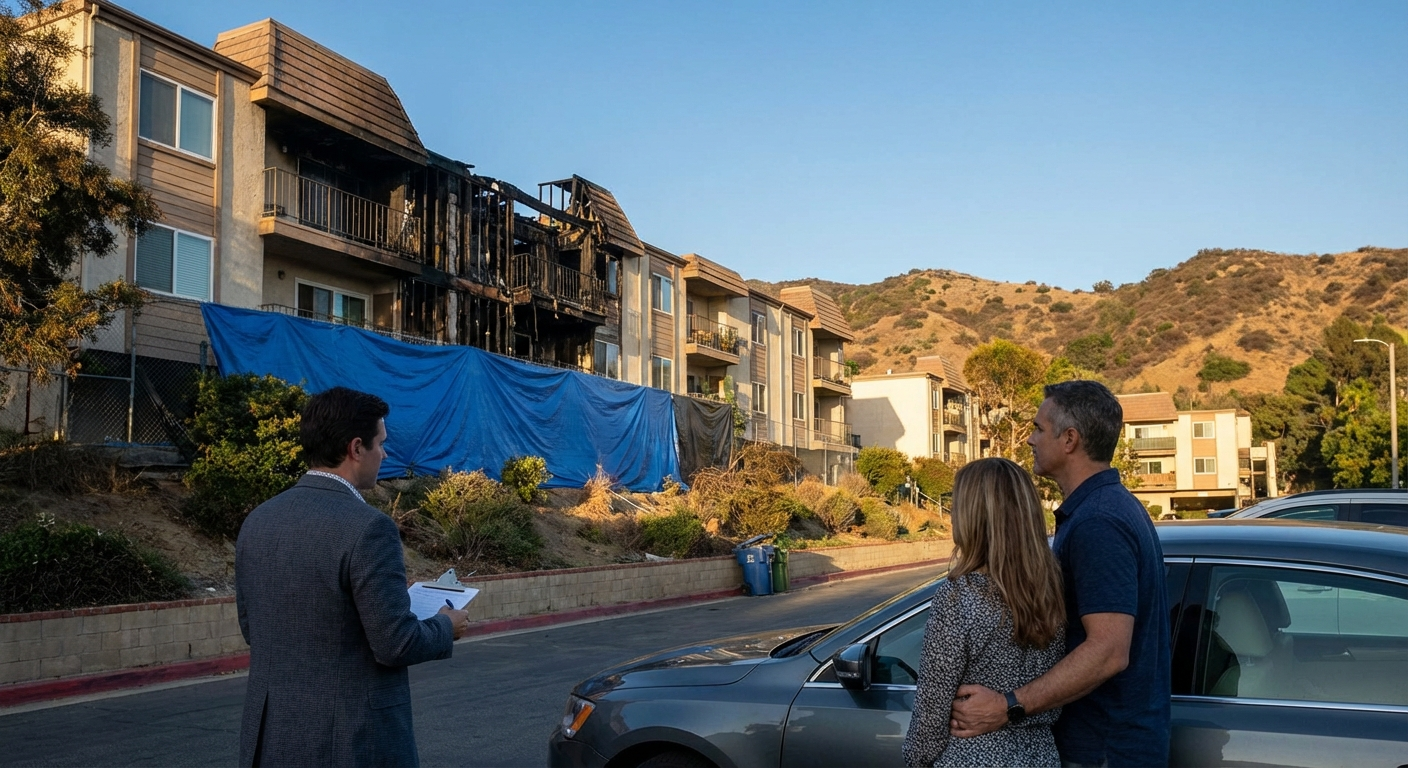
Living in California, you’re used to sunshine, beautiful scenery, and, let’s be honest, the occasional tremor. But there’s another force of nature that’s become a much bigger worry for homeowners and condo owners alike: fire. We’ve seen it too many times, from the devastating Woolsey Fire in Ventura County to the infernos that swept through the North Bay. These aren’t just rural problems anymore. Flames can jump freeways, threaten suburban communities, and, yes, even damage or destroy condo buildings.
You might think your condo association’s insurance has you fully covered. And it does, partly. But when fire strikes, knowing exactly what *your* individual HO-6 policy does – and doesn’t – cover is the difference between bouncing back and facing financial heartache. It’s not just about the big fires you see on the news; a kitchen fire in your building, or even a neighbor’s unit, can quickly become your problem.
The Two Policies: Yours vs. The Association’s
Think of condo insurance as a two-part system. First, there’s the master policy, which your Homeowners Association (HOA) pays for. This policy generally covers the building’s exterior, common areas like hallways, roofs, and sometimes even the original interior structure of your unit – the “bare walls” as they say.
Then there’s your personal policy, the HO-6. This is *your* safety net. It protects what the master policy doesn’t.
What does that look like in a fire scenario?
Let’s say a fire starts in a unit downstairs and spreads. The HOA’s master policy will likely step in to repair the damaged exterior walls, the roof, and maybe even the shared plumbing. But here’s where it gets interesting. Everything inside your unit, from your kitchen cabinets and countertops to your flooring, personal belongings, and even those custom paint jobs – that’s often on you.
Many folks don’t realize this until it’s too late. They assume “building covered, I’m covered.” Not always. That’s a big difference.
What Your HO-6 Policy *Should* Cover After a Fire
When fire rips through a building, even if your unit isn’t directly engulfed, you’ll likely face smoke damage, water damage from the firefighters, and structural issues. Your HO-6 policy should cover a few key things:
* **Personal Property:** This is all your stuff. Clothes, furniture, electronics, artwork, dishes – anything you’d pack up and take with you if you moved. After a fire, these items are often ruined by smoke, soot, or water. You want enough coverage to replace it all.
* **Improvements and Alterations:** Did you upgrade your kitchen? Put in new hardwood floors? Replace standard fixtures with something fancier? These improvements, beyond the original builder-grade finishes, usually aren’t covered by the master policy. Your HO-6 policy needs to account for the cost to rebuild or repair these.
* **Loss of Use (Additional Living Expenses):** If your condo becomes unlivable because of fire, you’ll need somewhere to stay. This coverage pays for temporary housing – a hotel, a rental apartment – and extra costs like restaurant meals and laundry while your home is being repaired. This can add up fast, especially with California’s housing costs. Imagine being out of your home for six months or a year. You’d want this protection.
* **Loss Assessment Coverage:** This one’s a real sleeper. If the HOA’s master policy deductible is, say, $50,000, and there’s a fire that causes $100,000 in damage, the HOA might levy a special assessment on all unit owners to cover the deductible shortfall. Your Loss Assessment coverage helps pay your share of that. With the rising costs of repairs and higher deductibles on master policies, this coverage is more important than ever.

The California Fire Problem: What It Means for Your Rates
California’s wildfire season isn’t just a season anymore; it feels year-round. We’ve seen properties in places like Santa Rosa, Malibu, and even the edges of the Inland Empire face direct threats. This reality has changed the insurance landscape dramatically.
Insurers like State Farm and Allstate have pulled back from writing new policies in some high-risk areas. Farmers and AAA are also adjusting their strategies. Why? The sheer cost of claims. Premiums for properties in fire-prone zones have jumped significantly, sometimes 40% or more between 2022 and 2024. If you live in a canyon in Glendale, near brush in the Santa Monica mountains, or even just in a community where a master policy has had multiple claims, you’ve likely felt this pinch.
But wait — even if your condo isn’t directly next to a forest, you’re still affected. The overall risk in the state means that even urban condos can see higher rates or more limited options. Insurers look at the bigger picture, and that picture in California includes a lot of fire.
The FAIR Plan: A Last Resort, Not a First Choice
For some California condo owners, finding traditional insurance has become impossible. That’s where the California FAIR Plan steps in. It’s an “insurer of last resort,” meant to provide basic fire coverage when no one else will.
The short answer is yes, it provides coverage. The real answer is more complicated. FAIR Plan policies typically offer less coverage than a standard HO-6 policy. They’re often bare-bones, meaning you might not get coverage for things like personal property replacement cost, loss of use, or liability. It’s better than nothing, absolutely. But it’s rarely ideal. And it’s usually more expensive. Many people on the FAIR Plan still need a “Difference in Conditions” policy from another insurer to fill in the gaps. It’s a patchwork solution.
Getting the Right Coverage: A Conversation, Not a Transaction
With all these complexities, just picking the cheapest policy online isn’t going to cut it. You need a trusted advisor who understands California’s unique challenges and condo insurance intricacies. Someone who can ask the right questions about your HOA’s master policy and your specific needs.
That’s where Karl Susman and the team at California Condo Protection come in. We’ve been helping Californians protect their homes for a long time. We know the ins and outs of HO-6 policies, the nuances of fire risk, and how to help you find the best coverage for your situation. Our CA License #0B75129 means we’re held to high standards, and we take that responsibility seriously.
We’ll sit down with you – virtually or over the phone – and talk through everything. What’s your HOA’s deductible? What kind of improvements have you made to your unit? How much would it really cost to replace all your belongings? These aren’t just numbers on a form; they’re about your peace of mind.
Here’s where it gets interesting. Even if you think your current policy is fine, a quick check can often reveal gaps you didn’t know existed. With rebuilding costs constantly climbing and the fire risk escalating, you want to be certain you’re not underinsured. It’s a conversation worth having.
Ready to make sure your condo is truly protected from California’s fire risks? Get a personalized quote today and let us help you find the right coverage.
Click here to get a quote for your California condo insurance.
Common Questions About Condo Fire Insurance in California
Can my HOA force me to get a specific amount of HO-6 coverage?
Not directly, no. Your HOA’s governing documents will usually *require* you to have an HO-6 policy, and might even specify minimum liability coverage. But the actual amount of personal property or improvements coverage is typically up to you. Still, it’s smart to align your coverage with the HOA’s master policy, especially concerning deductibles and “walls-in” vs. “all-in” definitions.
What if my condo building is deemed a total loss due to fire?
If your entire building is destroyed, the HOA’s master policy will cover the cost to rebuild the structure. Your HO-6 policy would then kick in for your personal belongings, any unit upgrades, and your additional living expenses while the new building is constructed. This process can take years, so robust Loss of Use coverage is vital.
Will my premiums go up if there’s a fire in a neighboring building, but not mine?
Possibly. If your entire condo complex is in an area that experiences a large fire, even if your specific building isn’t damaged, insurers might re-evaluate the risk for the whole zone. This can lead to increased premiums for everyone in that area, or even make it harder to find coverage.
I live in a concrete high-rise. Is fire still a big concern?
Absolutely. While concrete structures are more fire-resistant than wood, fires can still cause extensive damage. Smoke and water damage can spread significantly. Furthermore, a fire in a high-rise can render the building uninhabitable due to damage to electrical systems, elevators, and common areas. Don’t let the building material lull you into a false sense of security.
My current insurer is leaving California. What should I do?
Don’t panic, but don’t delay. If your current insurer is non-renewing policies in California, you’ll need to find new coverage. This is a perfect time to work with an independent agency like California Condo Protection. We can shop multiple carriers, including those still actively writing in California, to find you the best fit. Sometimes, you might end up with the FAIR Plan plus a Difference in Conditions policy.
Don’t leave your biggest asset exposed to California’s unpredictable fires. Let Karl Susman and California Condo Protection help you protect your condo, your belongings, and your future.
Get your personalized condo insurance quote here.
This article is for informational purposes only and does not constitute financial advice.