
That Historic Charm? It Comes With Its Own Insurance Story.
Maya and Leo had found their dream. A two-bedroom condo nestled in a 1920s Spanish Revival building in Pasadena. They pictured coffee on the balcony, evenings walking through the tree-lined streets, surrounded by history. Original tile work, arched doorways, a courtyard fountain that gurgled softly – it all felt like a movie set. They closed the deal, high on the romance of it all. But then came the paperwork for their insurance, and that’s when the real world started to knock. They quickly realized insuring a piece of California history isn’t quite like insuring a brand-new build in the Inland Empire.
Honestly, it can feel like a whole different ballgame. Many folks assume their condo insurance is a simple checkbox. Get a policy, pay the premium, done. The short answer is yes, you need one. The real answer, especially for a condo in a historic building here in California, is far more complicated.
What Makes an Old Building, Well, Old (and Tricky to Insure)?
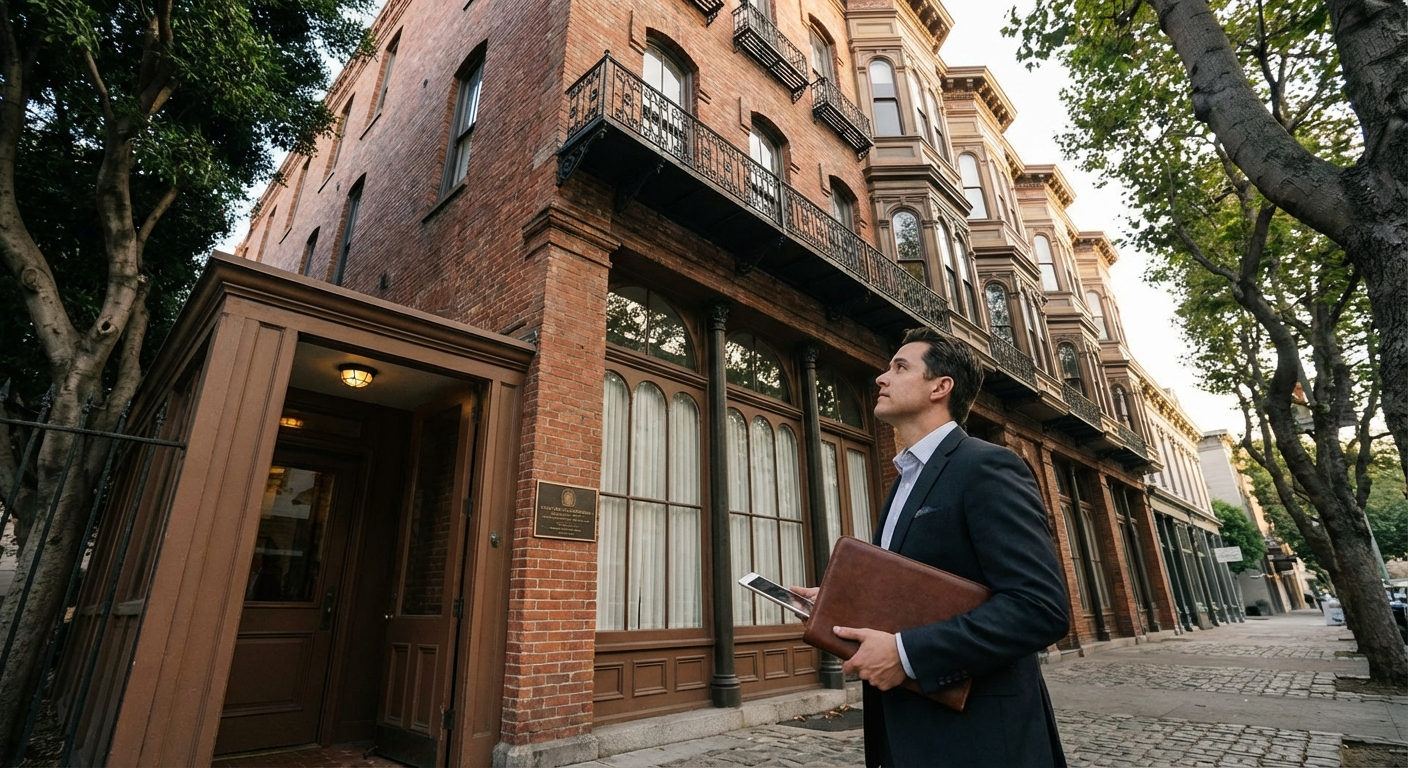
Think about Maya and Leo’s Pasadena condo. That original tile? The plaster walls? The unique wood trim? These aren’t materials you pick up at a big box store. If a pipe bursts or a small fire starts, fixing those historic elements requires specialized craftsmen. You need someone who knows how to match antique finishes, replicate intricate moldings, or even source materials that just aren’t made anymore. That expertise costs money. A lot of it.
This is where the term “replacement cost” gets interesting. For newer condos, it’s often straightforward to calculate how much it would cost to rebuild or repair with modern materials. But for historic buildings, that number can skyrocket. You’re not just replacing a wall; you’re preserving a piece of the past, often under specific city or county preservation guidelines. Which brings up something most people miss. Your HOA’s master policy, the one that covers the building’s main structure and common areas, might not cover those special details inside your unit. They might only cover “bare walls,” meaning everything from the paint inward is your responsibility.
Understanding Your HO-6: It’s Not Just for Belongings
Most condo owners buy an HO-6 policy. This coverage protects what’s inside your unit: your personal belongings, liability if someone gets hurt in your place, and often, the interior structure of your unit – things like your kitchen cabinets, flooring, and even those plaster walls.
But here’s the thing. For Maya and Leo’s vintage condo, that HO-6 needs to be beefier. Much beefier. You don’t just want enough coverage to replace your furniture. You need enough to rebuild your unique interior – those antique fixtures, the custom-built ins, the period-specific details – if disaster strikes. And in California, disaster can take many forms.
The California Climate and Your Historic Condo
We live in a beautiful state, no doubt. But that beauty comes with its own set of challenges, especially for older buildings.
Take **wildfire risk**. Many charming historic neighborhoods, like those in the Oakland Hills or parts of Ventura County, are nestled right against wildland areas. Older buildings, often with wood siding, original windows, and less fire-resistant materials, can be more vulnerable. Insurers are very aware of this. We’ve seen State Farm, AAA, and Farmers make significant adjustments to their coverage here. Premiums for properties in high-risk zones have jumped, sometimes 30-50% in the last few years alone. Some carriers have even pulled back from offering new policies in certain areas altogether.
Then there’s **earthquake risk**. California is earthquake country. Period. Older buildings, especially those built before modern seismic codes, might be more susceptible to damage. Earthquake insurance is always a separate policy, not included in your standard HO-6. If you’re in a historic building, seriously consider it. The cost can be significant, but so can the damage from a major quake. Imagine rebuilding those intricate plaster ceilings after a 7.0 shaker.
And let’s not forget **water damage**. Older plumbing systems are often more prone to leaks and bursts. Water can wreak havoc on historic wood floors and plaster, leading to expensive repairs and potential mold issues.

The Shifting Sands of California Insurance
Honestly, the insurance market in California has been turbulent. Prop 103, passed back in 1988, gives the state a say in rate increases. But even with that, premiums have been climbing steadily. We saw average homeowner premiums jump 20-40% between 2022 and 2024 for many Californians. This isn’t just about new builds or massive mansions; it impacts everyone, including those with charming historic condos.
When a standard insurer won’t cover a property, or the cost is astronomical, many turn to the California FAIR Plan. This is California’s “insurer of last resort.” It provides basic fire coverage for properties that can’t get it elsewhere. But it’s often just that – basic. It won’t have the broad coverage or specialized endorsements you might need for a historic condo. It’s a safety net, not a luxury blanket.
Finding the Right Fit for Your Piece of History
So, if you’re like Maya and Leo, what do you do? How do you protect that beautiful, historic condo without breaking the bank or missing critical coverage?
First, get a copy of your HOA’s master policy. Read it carefully. Understand exactly what the association covers. Is it “all-in” coverage, meaning it covers the structure and most of the interior finishes? Or is it “bare walls,” leaving you responsible for everything inside your unit, including those irreplaceable historic details? This is your starting point. Knowing what the HOA covers tells you what *your* HO-6 policy absolutely must cover.
Next, you need to work with an independent insurance agent who knows California’s market inside and out. Someone who understands the unique challenges of insuring historic properties. This isn’t a “click and buy” situation. You need a human expert.
Karl Susman, from California Condo Protection, has been helping Californians like Maya and Leo sort through these complexities for years. His agency, CA License #OB75129, deals with these exact scenarios every day. They know which carriers are still writing policies for historic buildings, which ones offer specific endorsements for specialized materials, and how to properly value replacement costs for unique properties.
Don’t guess. Don’t assume. A good agent will ask the right questions: What year was the building constructed? Are there any historic preservation overlays? What kind of wiring and plumbing does it have? Have there been any major renovations or retrofits? These details matter. They make a big difference in getting the right coverage.
Think about it: an independent agent isn’t tied to one company. They can shop around, compare different policies, and find the best fit for your specific needs – which is incredibly helpful when dealing with the specialized requirements of a historic condo.
Ready to see what options are out there for your historic California condo? It’s smarter to talk to an expert. You can get a personalized quote and discuss your unique situation. Don’t leave your piece of history unprotected.
You can start the process of getting a quote right here: https://californiacondoprotection.com/quote/
Common Questions About Insuring Historic Condos in California
Does my HOA master policy cover everything inside my historic condo?
Not always. Many HOA master policies only cover the building’s common areas and the structural components of your unit, often referred to as “bare walls” or “studs-out” coverage. This means things like your flooring, cabinets, fixtures, and interior wall finishes – especially the historic ones – are often your responsibility. Always get a copy of your HOA’s master policy and read it carefully to understand what it covers versus what your HO-6 policy needs to pick up.
Why is it harder to get insurance for older, historic buildings in California?
Insurers look at risk. Older buildings often come with unique risks: original, potentially outdated electrical and plumbing systems, more flammable building materials (like older wood frames), and higher costs for specialized repairs if unique historic elements are damaged. Plus, their location might put them in higher wildfire or earthquake zones, which further complicates coverage in California’s current market.
What’s the California FAIR Plan, and is it a good option for my historic condo?
The California FAIR Plan is a state-mandated program designed to provide basic fire insurance coverage for properties that can’t get it through the traditional market. It’s an “insurer of last resort.” While it provides essential protection against fire, it typically offers less comprehensive coverage than a standard HO-6 policy. It might not include liability, personal property, or specific endorsements for historic materials, which are often needed for older condos. It’s usually better to find a private insurer if possible.
What specific coverages should I look for in my HO-6 for a historic condo?
You’ll want robust dwelling coverage that adequately reflects the replacement cost of your unique interior features, not just standard modern materials. Look for “Ordinance or Law” coverage, which can help pay for upgrades required by current building codes during repairs. Consider additional living expenses if you need to move out during extensive repairs. And, of course, liability protection. An independent agent like Karl Susman (877) 411-5200 can help you identify these specific needs.
Don’t let the beauty of a historic condo turn into an insurance nightmare. Protecting your home means understanding its unique needs.
For a personalized review of your condo insurance options, reach out today. Get a quote and speak with an expert who truly understands California’s insurance market: https://californiacondoprotection.com/quote/
This article is for informational purposes only and does not constitute financial advice.